Can a Small Island Developing State teach the world how to develop?
Lessons from Seychelles for Búi and for the world
Related ideaSindri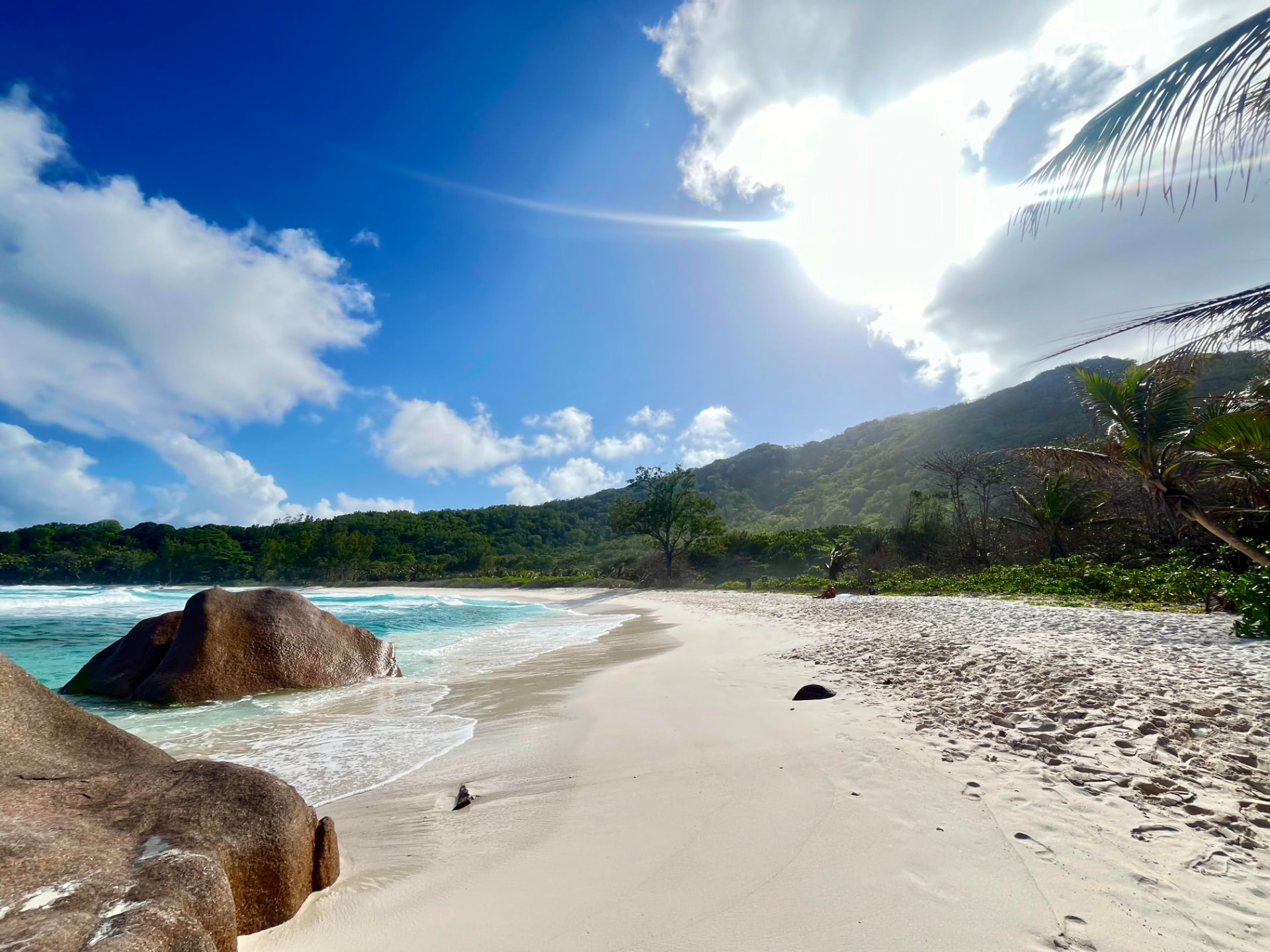
I was recently lucky enough to visit a small island state that has successfully achieved high-income status, marketed itself as one of the most exclusive tourism destinations on earth, and which has, for these reasons and others, fascinated me deeply: Seychelles. Its strategic statecraft is an inspiration for the world and for coastal economies, which Búi — the fund we're developing at Purpose Circle — is designed to support.
I must admit I'm a budget traveler, as that's what I and most of us can afford to be. This year, though, my family and I had the chance to go on holiday together and, amid drops in fares linked to the conflict in the Strait of Hormuz, we impulsively booked our flights. We did so under the misguided assumption that the cost of living in Seychelles would be low. It would have been wiser to research this properly, and dutiful not to assume that a former colony offers greater purchasing power for a European (though sadly, that assumption is often correct). As someone who has studied and worked in international development, I regret to admit I acted upon my own bias — a mistake too commonly made by decision-makers within international organizations, leading to detrimental outcomes. I had, wrongly, assumed that Seychelles would present a socioeconomic profile similar to that of other countries that gained independence from colonial empires over the last century. So, when August came, I was reminded of two important notions.
First, explore and question your assumptions, which might carry the fingerprints of empire.
Second: young states can out-plan old ones when growth is shaped around local priorities and characteristics, rather than borrowed from someone else's model. Seychelles' socio-economic planning has produced a steadily rising Human Development Index, now at 0.848 and ranked 43rd globally, flanked by GDP per capita growth of 693% since independence-era levels (from US$2,330 in 1980 to US$18,480 in 2025) and a GDP per capita adjusted for PPP of nearly US$36,000. The country boasts a Gini coefficient of 32.1, lower than Italy's or the UK's. Naturally, having a population of about 300,000 makes it easier for wealth to spread across it, though it suffices to look at Small Island Developing States (SIDS) like São Tomé and Príncipe and Comoros to conclude that this is not an obvious outcome. The public sector does a lot of the planning work directly, with government and parastatal employment accounting for roughly 35% of the workforce. This is a very different bet on the state's role than most states — and not just the younger ones — made, and it's clearly a yielding one.
So, as I wander around these islands, I keep asking myself the same questions: what exactly did they do to overcome the obstacles former colonies usually face? Most importantly, what lessons can they teach the rest of the world about sustainable growth?
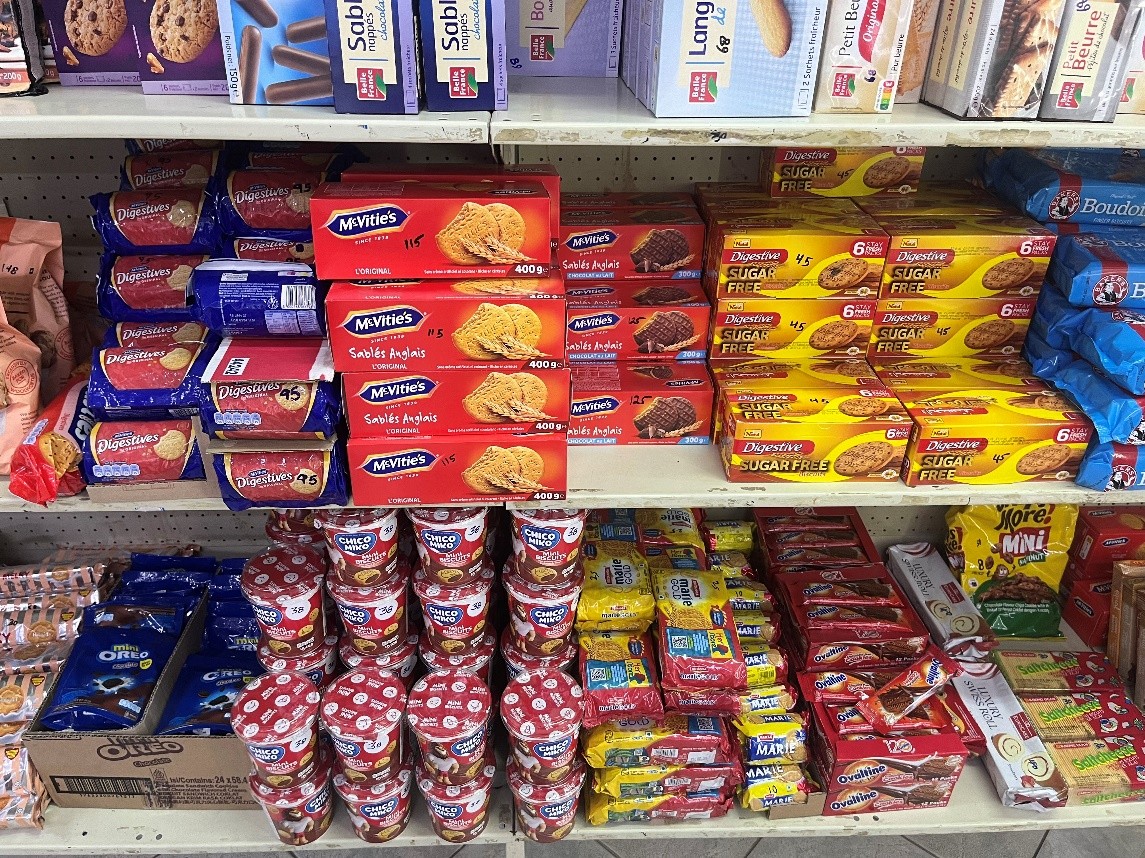
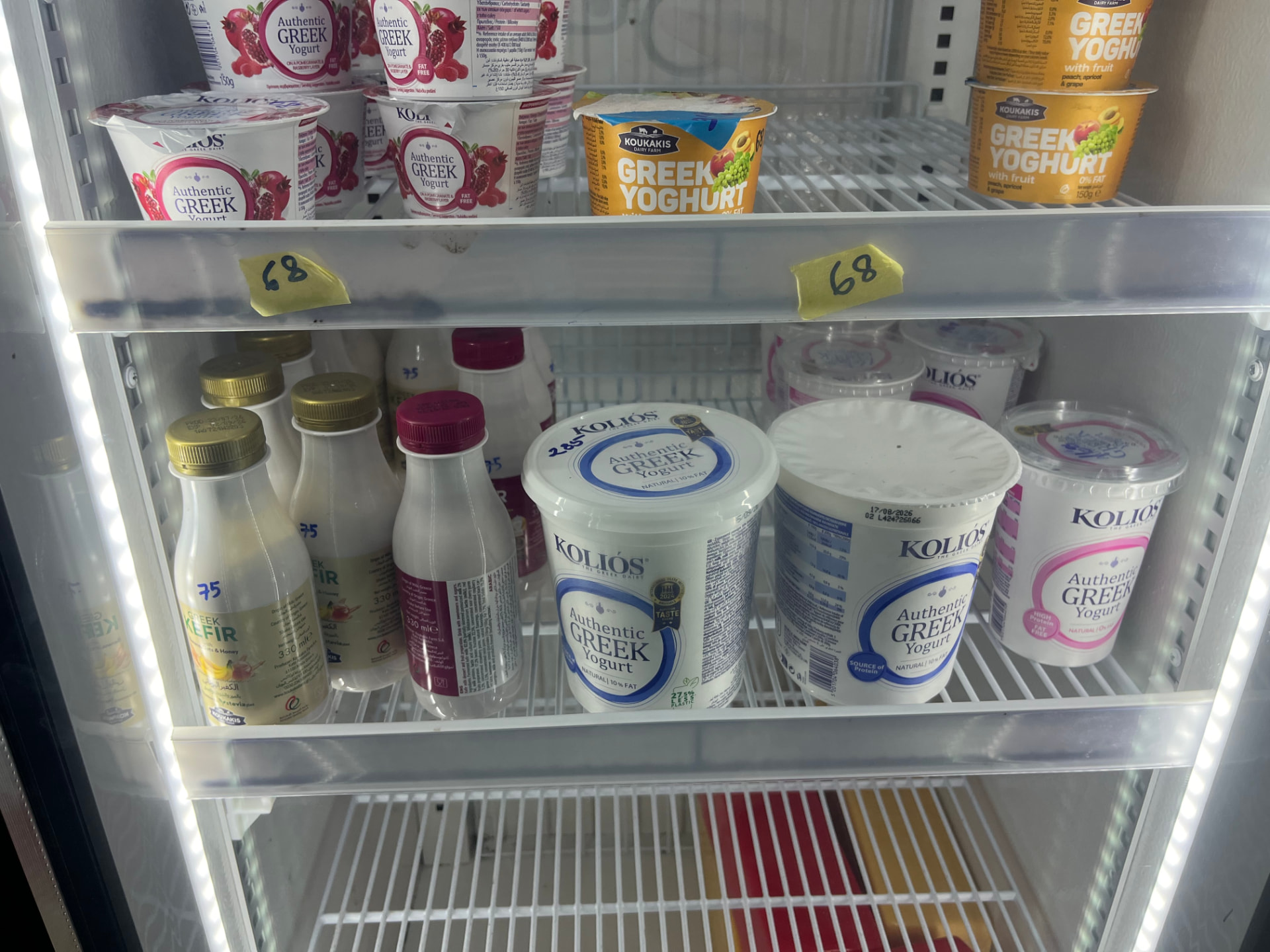
These questions, which I address with data backing and within the limits of my status as a foreigner, arose before the trip even started. When my family and I booked accommodation, I did not expect it to be more expensive here than in my home city, Rome. When we landed, I did not expect a taxi booked through the government's own official website to cost fifty euros for a twenty-minute ride. I did not expect a regular grocery shop to exceed what I'd pay at home (disclaimer: shopping at local cooperatives is about as “cheap”). It's not just imported goods that are expensive — resource dependency is a common feature of SIDS and prices of imports can only go down so much, given that they have to account for the price of logistics on top of any tariffs. It's locally grown fruit too: a papaya costs about what an apple costs in Italy, and farm eggs are only slightly cheaper (another disclaimer: fish is significantly cheaper). Bus tickets sit at Eastern-European-capital prices, and the bus stops have proper roofs and benches, some even decorated and freshly painted. The roads are incredibly steep but without potholes, and public transport has proven more reliable in Mahé, Seychelles' main island, than in Rome, a European capital.
It's not a surprise, then, that Seychellois GDP per capita lands in the same range as Italy's southernmost regions. This is, after all, the country with the highest GDP per capita in Africa, the continent's least corrupt and safest.
On my own positionality
A quick note before this piece goes any further, because it can't work without it. I'm writing about a country that is not mine, and I want to be careful not to let my experience as a tourist read as expertise on how Seychelles works. I am merely passionate about international development, eager to learn about different societies, and I have a particular fascination for island economies. Traveling here, and the conversations I've had with Seychellois along the way, pushed me to dig into more formal research, so that what I noticed could find (or fail to find) confirmation in academic literature and local narratives. Only this way can I aim to write something as informative as possible, aware that my conclusions cannot replace lived local experience.
There's another less visible factor worth mentioning in relation to the power dynamics I am acknowledging. Like many in my country and beyond, I grew up on the lower end of the class spectrum; comfortable, but accustomed to sharing a bedroom until adulthood or missing out on some study trips and fancy sports. Sacrifices naturally extend to holidays, which are a big deal in Italy (we love our summer break). The entire coastline — not only high-end destinations like the Amalfi Coast and Cinque Terre — has priced out Italians of Italian holidays and even pushed some to take out loans to travel. So, ordinary families tend to travel to places where their money goes further, which sometimes happen to be former colonies. It's no surprise that weak currencies and a lower cost of living attract budget travelers, despite their being historically shaped by foreign-shaped economic dependency and resource exploitation. You would be right to point out that my presence in former colonies plugs into a detrimental type of touristification aggravated by the ugly legacy of the empire, and it's bitterly ironic that I get priced out of my own coastline in Italy only to go and drive prices up elsewhere. This is a systemic tension I can't pretend to resolve here, and the discussions around colonial legacies and the pros and cons of tourism both deserve more space than this article has room for. What I can do is remain aware of that tension, ask more than I assert, write about what I'm learning with curiosity rather than authority, and be a responsible tourist everywhere I go.
That being said, my point is that in Seychelles, I expected to experience the power dynamics that being a European in a developing country implies; instead, I turned out to be a tourist with no more purchasing power than the Seychellois. This is important, because it highlights that inequality in a globalized world doesn't always have to be as straightforward as European-equals-rich and non-European-equals-poor. To state that it is, is to ignore the gap between the transnational wealthy elite and the working class, and to imply that non-European wealth or poverty is only relevant in how it relates to or deviates from the European experience. In fact, the Seychellois have nearly double the purchasing power of Eastern Europeans. That has everything to do with what's happening inside each country and the policies that are being pursued. What strikes me about Seychelles isn't that a former colony managed to get rich — I don't suggest that Seychelles is some anomaly proving that former colonies are otherwise doomed to poverty or dependency. It's the fact that a fifty-year-old state has been measurably more successful at socioeconomic planning than many countries with decades or centuries of head start on it.
Crucially, the below analysis ties into a real question that matters to us at Purpose Circle: what could a model like Búi — our coastal and fisheries fund, still in early design under the Sindri portfolio — look like if it were inspired by Seychelles, and built with a place like this in mind?
On islands and their vulnerability-made-resilience
There's an interesting concept in island studies called “islandness,” coined by Baldacchino to describe the cluster of traits we associate with insular spaces: smallness, remoteness, a strong local identity set against some distant mainland, boundedness by water. Islandness is not simply a natural condition, but also a socially constructed one. That is to say, these small, remote territories bounded by water are not necessarily vulnerable, but they can become such — or they can become resilient, or strategically valuable — depending on the policy choices made with, within and about them.
King introduces a distinction between marginal and nodal islands, which comes in handy when discussing Seychelles. Marginal islands, such as Dominica and Kiribati, get locked into dependency in exchange for economic lifelines. Nodal islands reverse their peripheral status by typically building tourism- or finance-centric economies, capitalizing on their attractiveness to flows of capital and people. Ibiza and the Cayman Islands are his examples, and we can safely claim that Seychelles belongs in this category.
From plantations to remoteness-as-asset
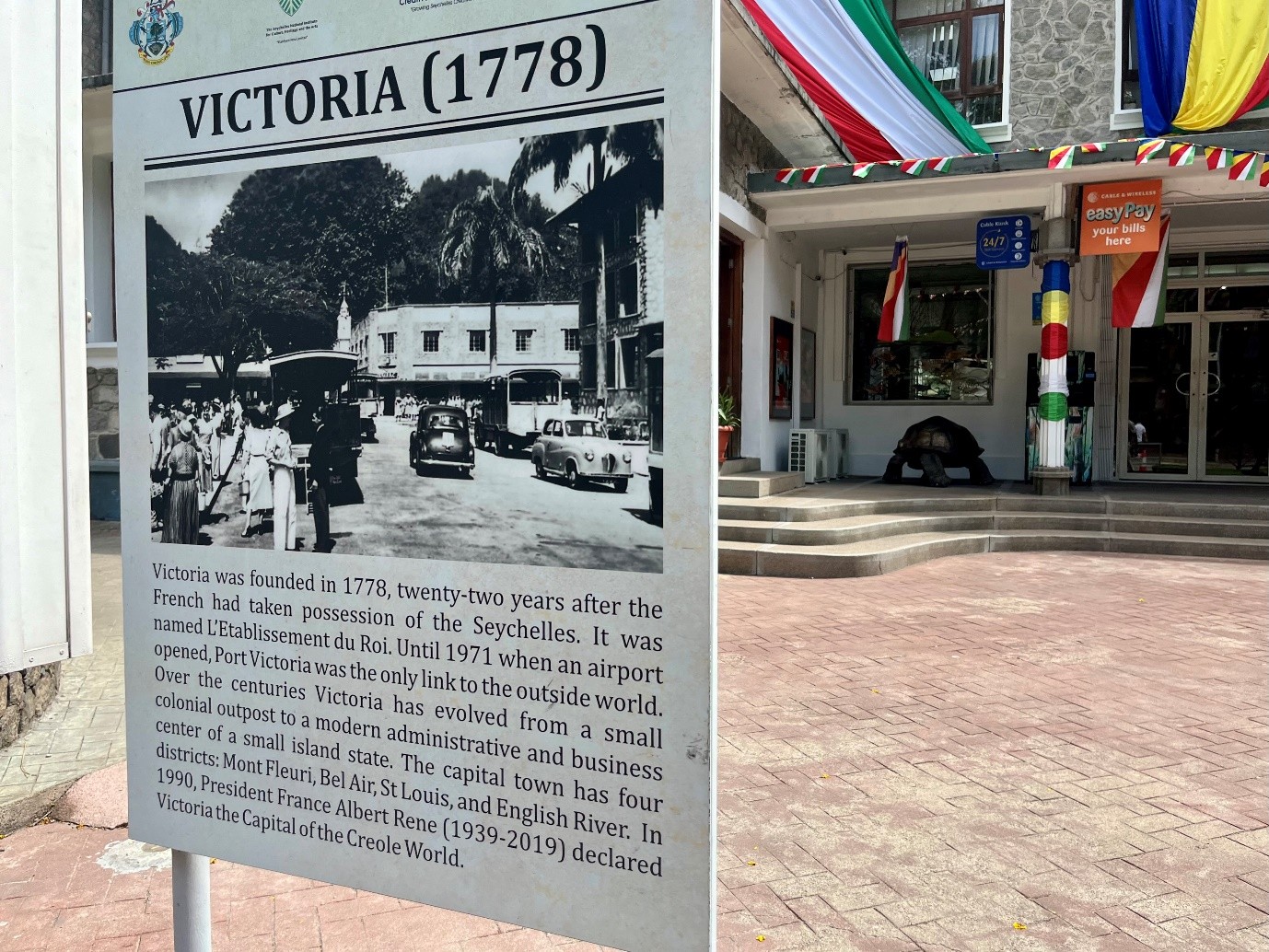
Seychelles was uninhabited until 1770. It has almost no arable land: around 150 hectares on steep granitic terrain that can't support rice or grain at any scale. Despite this, the French set it up as a plantation economy anyway, because that was the only model colonial administrations knew how to run — one shared by many SIDS. When Seychelles gained independence from the British on 29 June 1976, it had inherited an economy poorly matched to its geography. The sovereign decision to abandon plantation agriculture and steer towards a different model was hugely supported by the population, as several shop owners enthusiastically recounted. The opening of Victoria's airport in 1971 was welcomed as the start of a new economic era — there's a plaque commemorating it right in front of Liberty House in the city center. As demand outstripped the islands' limited accommodation, a continuous wave of hotel construction followed, and within a few years the number of visitors surpassed the number of residents. Today, tourism directly or indirectly generates about 72% of GDP, and drives the economy's other key sectors, including construction, banking, and commerce.
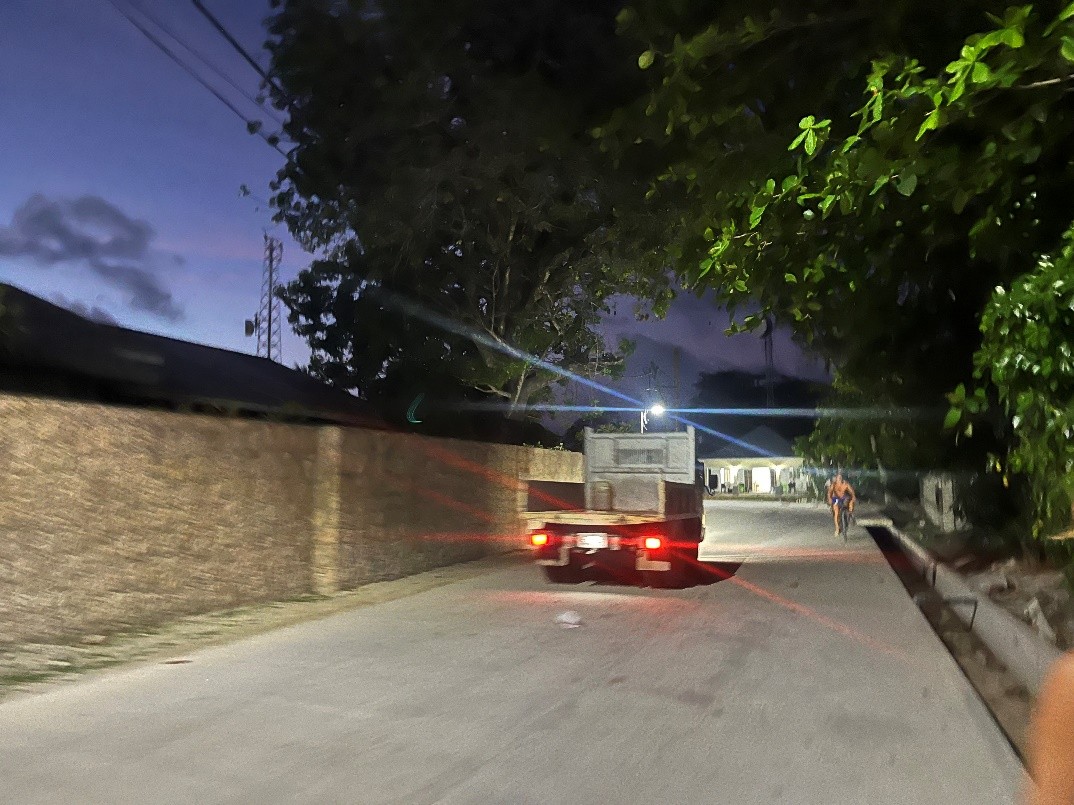
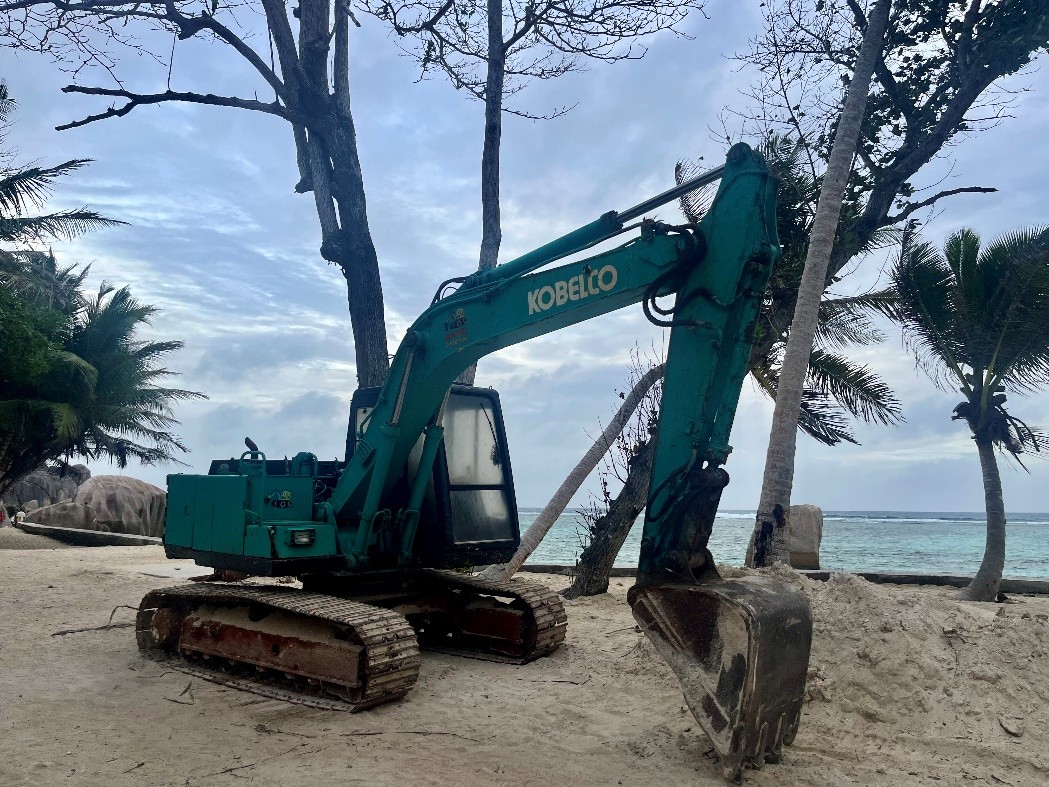
I was struck by the amount of work in progress I saw across the islands. Tens of trucks carry construction materials daily, and workers — a vast majority of them Indian — sit in groups of about a dozen in the back of 4x4s on Seychelles' steep roads, building the country's infrastructure. It's a trend with deep roots: in the early 20th century, Indian laborers (“coolies”) were imported by the British colonial administration to build roads across the islands' famously difficult terrain. Today, although the exact number is unknown, an estimated 82% of Seychelles' population is thought to have some Indian ancestry, per Indian government figures.
I was told large-scale construction is linked to Seychelles' broader development strategy and its Agenda 2032, a comprehensive plan guiding the nation towards economic prosperity, social well-being, and environmental sustainability. The strategy centers on transformation, diversification, and sustainable growth, with priority areas spanning a modern public service, a transformative economic agenda and climate resilience.
Rather than persisting with low-value exports and remaining stuck at the bottom of global value chains, as many post-colonial peers did, Seychelles deliberately treated its remoteness and smallness not as constraints to manage around but as the asset itself. Exclusivity, nature, and inaccessibility became the product.
Strategic sectors and the developmental state: lessons from Seychelles to the world
Beaches remain public, and hotels are required to ensure universal access — so you can walk straight through the grounds of the Four Seasons or Lemuria, past its golf course, for free, and reach beaches like Petite Anse and Anse Georgette, ranked among the world's most beautiful. However, accessing some beaches requires buying an entry ticket, which works as a conservation fee. This aligns with a broader environmental conservation strategy including ad-hoc initiatives such as:
The Environmental Trust Fund, which you can donate to when applying for a visa
The Conservation and Climate Adaptation Trust (SeyCCAT), stemming from a debt-for-nature deal between the government and the Nature Conservancy
The Tourism Environmental Sustainability Levy, namely a progressive fee (varying depending on the tourist establishment's size to support small businesses) charged to international visitors to fund conservation and green energy projects
The sovereign blue bonds supporting the expansion of marine protected areas, the improvement of fisheries management, the promotion of sustainable tourism and the development of climate-resilient coastal communities
Seychelles has also legally safeguarded over 30% of its marine territory and about 50% of its land.
The blue bond deserves a deeper analysis, as it's arguably Seychelles' most replicable innovation and it's directly relevant to what we're building at Purpose Circle through Búi. Announced in 2018, it is the world's first sovereign blue bond: a US$15 million placement with three private impact investors: Calvert, Nuveen and Prudential. A blended finance model allowed it to be de-risked, thanks to a US$5 million guarantee from the World Bank and a US$5 million concessional loan from the Global Environment Facility, which brought down the interest rate from 5.5% to 2.8%. Proceeds were split between a US$3 million Blue Grants Fund, administered by SeyCCAT as no-strings grants to NGOs and community groups, and a US$12 million Blue Investment Fund, administered by the Development Bank of Seychelles as loans to businesses — with a portion earmarked specifically for rebuilding fish stocks and harvest controls under the Mahé Plateau Demersal Fisheries Management Plan.
The bond groundbreakingly turned marine stewardship into an investable asset class, rather than treating conservation and economic development as competing priorities.
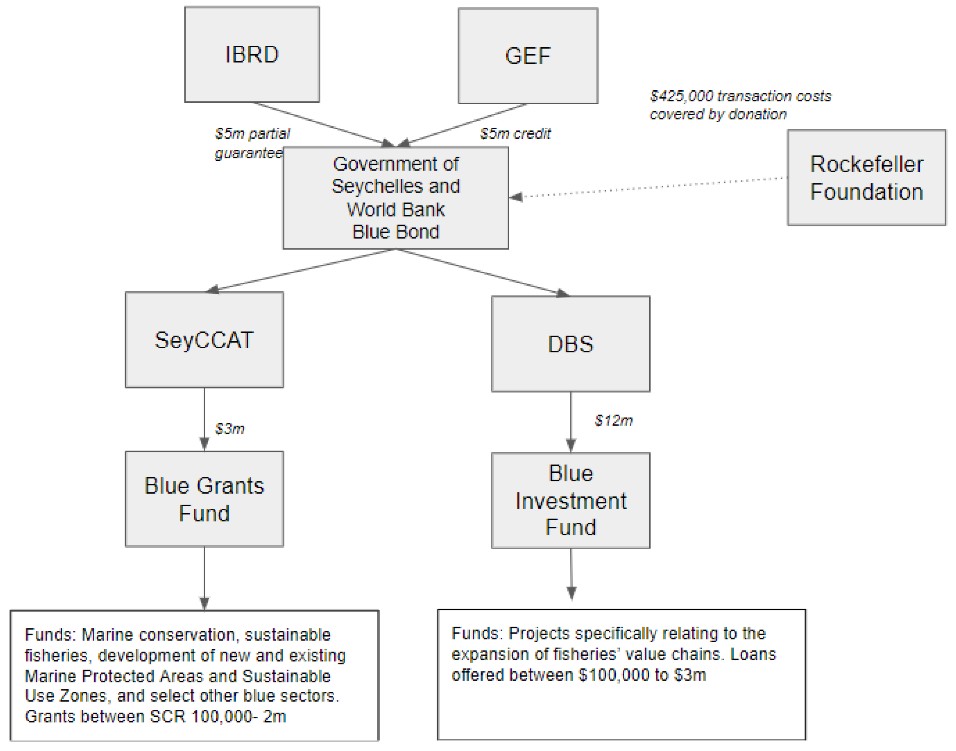
To replicate this logic, Búi would need its own version of a guarantor and a concessional first layer, likely sourced from a foundation, a development finance institution, or a blended finance facility. Second, it could steal the dual grant and investment pool structure as-is. Third, it would need a locally governed intermediary like SeyCCAT, establishing how money actually reaches fishers and community groups. I'll come back to all three below.
Anyway, the bond is only a piece of a development strategy that spans all strategic sectors of the economy and treats the following as key priorities for the state.
Human capital investment. Alongside the financial pivot, the government strengthened education and healthcare so that Seychellois citizens could actually participate in the higher-value economy being built and not just service it.
Targeted fiscal incentives. Tax holidays for the digital sector and blue economy investments, aimed at attracting the right kind of capital rather than any capital.
Local ownership of returns. Profits from tourism and investment are structured to stay largely in local hands, rather than flowing out to foreign owners — a meaningful departure from the extractive tourism model common elsewhere. It's a far-sighted approach, given that the Indonesian island of Bali only recently banned foreign investment across 18 key sectors of its economy, after mounting backlash that foreign-owned businesses were crowding out local small enterprises.
Controlled, screened investment. Foreign nationals can access citizenship after injecting over US$1 million in FDI and maintaining eleven years of residence — but only after thorough screening, and only within sectors the government has designated, specifically to avoid unchecked foreign interference. (It's worth noting Seychelles has also had to tighten these residency requirements partly because of how “investment citizenship” schemes globally have become vehicles for tax avoidance — a murky industry that keeps expanding even as anti-migrant sentiment rises elsewhere, which is its own uncomfortable irony.) That screening has also been getting more rigorous on the sustainability side. Seychelles became the second African country, after Rwanda, to access the IMF's Resilience and Sustainability Facility in 2023. Environmental Impact Assessments have been a requirement for qualifying projects since the Environment Protection Act of 2016. I was told that the due diligence process an investor goes through now covers dozens of checkpoints, from title verification to environmental assessment. I couldn't independently confirm the exact number, so treat that detail as anecdotal, but the push towards responsible business conduct is well documented and compliance is overseen by the Seychelles Planning Authority.
Seychelles enacted a coherent, sequenced industrial strategy, leveraging its own strengths instead of following a one-size-fits-all model.
Inspiration and limitations for Búi, a fund for coastal economies
At Purpose Circle, we're building Sindri, a portfolio of high-integrity impact investment vehicles for the Global South organized around one question: What does it take for a community to reach the point where it no longer needs us?
One of the vehicles in that portfolio is Búi, a community-anchored fund for coastal and fisheries economies. Búi's geography is still being determined, but watching Seychelles up close, I couldn't help running the comparison.
Where does the model fit? Búi is trying to identify coastal geographies that combine ecological value with investable governance conditions. Seychelles' blue bond shows what's possible (at the top end of that spectrum, as most of Búi's likely candidate geographies won't start anywhere near that level of institutional readiness). The question, therefore, is about what the early stages of that trajectory look like, three or four steps before a government can credibly issue sovereign-backed blue debt.
Strong local governance. Búi is trying to map which ownership structures hold up over time for community-owned fishing practices. Seychelles' insistence on keeping tourism, the fishing industry and investment returns locally owned is based on the same principle, offering an interesting model to get our inspiration from.
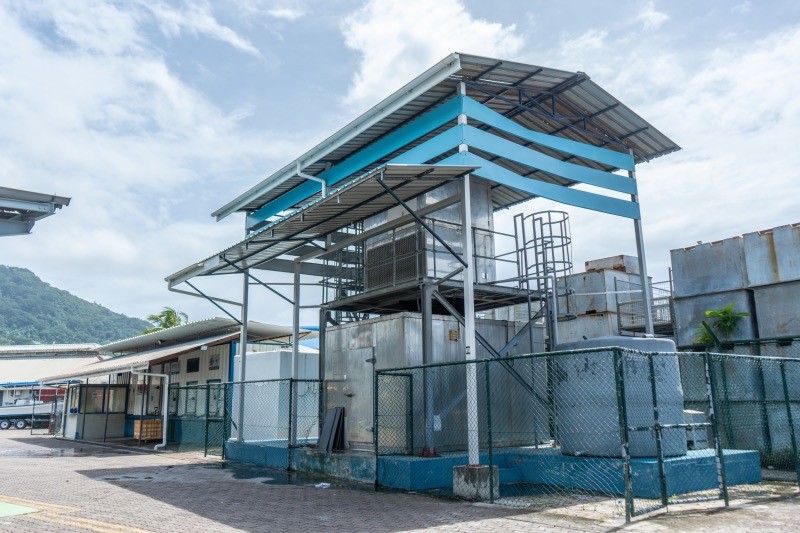
Cold chain and market access. One of the questions Búi will need to explore is which cold chain and market infrastructure exist in candidate geographies. Seychelles' answer to this is instructive. Its ice supply, fundamental for the fishing industry and built up also thanks to international aid grants, is run largely as a state-owned utility through the Seychelles Fishing Authority (SFA). This is an instance of a model used by economies like China's: treating a strategic sector as too important to leave entirely to private supply. Seychelles doesn't run its whole economy this way, but it is exceptionally strategic about deciding when the state should own the asset directly and when it should instead steer private capital toward the same goal. Private supply exists alongside public ownership too: Oceana Fisheries and Sea Harvest both sell ice commercially in Victoria, competing with rather than funding the SFA's plants. What this means for Búi is that, in geographies where cold chain gaps are the binding constraint, establishing who owns ice plants — rather than building a bond around it — might be sufficient.
Anchor buyers. Búi is trying to identify institutional buyers for certified, premium fish, and the certifications they require. Seychelles' fish pricing suggests a market that's already found its premium buyers domestically and internationally. Therefore, it's worth mapping who those buyers are and what got them there.
Political risk. Licensing, territorial rights, climate displacement — Búi has to weigh all three in every candidate geography. Seychelles' tightly controlled, sector-designated FDI model is itself a form of political risk management, in the shape of a government deciding on exactly how much control to cede rather than relying on the invisible hand.
I want to be honest about its limitations for Búi, because this is where the tourist-eye view runs out. The island state had leverage which coastal communities in Búi's likely geographies wouldn't have: a small, cohesive population; strong existing state capacity at independence; and a level of international financial credibility that took decades to build. A community-owned fisheries cooperative in a Búi target geography isn't negotiating a sovereign blue bond — it's negotiating with a mainland government, a handful of investors, and often a legacy of exactly the kind of profit extraction Seychelles managed to avoid. The instruments used to keep value local may not be transferable, but the instinct to do so absolutely is.
Inspiration and limitations for states
It's clear that Seychelles implements a phenomenal developmental state model, and its model holds lessons that extend far beyond a single investment vehicle like Búi. Its success offers a blueprint for states at vastly different stages of development and with different resource endowments. The lesson for older states is that the government can be a powerful engine of growth and equity without succumbing to the inefficiencies often associated with a large public sector — and without abdicating to the private sector itself. Seychelles also teaches us that aligning priority investment areas with national and international goals, such as sustainable growth and climate resilience, brings about real impact. The Seychellois adapted global best practices to local realities and even pioneered blended finance, avoiding the trap of copying models from older nations. They manage their economy to ensure that the wealth generated stays within the country, in contrast to extractive tourism models. They introduce incentives for small businesses, fostering an inclusive economy and preventing citizens from being priced out of their own country. This is a powerful lesson for any region facing the pressures of overtourism and foreign investment.
Is Seychelles one of a kind?
However, dismissing Seychelles as a lucky outlier would be missing the point entirely. The country made deliberate, difficult choices that other states can learn from. Its economy is not without lasting vulnerabilities — import reliance, tourism dependency, and exposure to climate shocks remain real constraints — yet, by the measurements available, Seychelles has achieved remarkable wealth.
The country didn't get lucky with its geography; in fact, it got unlucky with it, but still built a strategy pivoted on remoteness and resilience. The Seychellois experience proves that vulnerability can be transformed into assets, provided there is political will, institutional capacity, and a willingness to chart an independent course.
My family and I left Seychelles with an emptier wallet and a feeling we didn't quite expect: awe, yes, but also a sense of shame. Here was a fifty-year-old state that had built a functioning, equitable, and prosperous society on terrain that seemed designed to resist it. Conversely, my own country, with its fertile plains, G7 status and cultural capital accumulated over millennia, struggles with pervasive unemployment, overtourism that further entrenches inequality, a sprawling informal economy, entrenched corruption, and the enduring grip of organized crime. We have the resources, the institutions, and the head start; what we seem to lack is the strategic will.
Seychelles doesn't have our advantages. It simply made better use of its disadvantages. That, perhaps, is the hardest lesson of all.
Join the conversation
Loading comments…